Independent review • Informational content
CitrusBurn Review Updated 2026
A detailed editorial look at CitrusBurn: what it is (and what it isn’t), how it fits a daily routine, the key botanical ingredients, what people report over time, how bundles typically work, and how to buy safely—without miracle promises.
2. What’s the summary in a few seconds?
OverviewIf you don’t want to read everything right now, here’s the direct version:
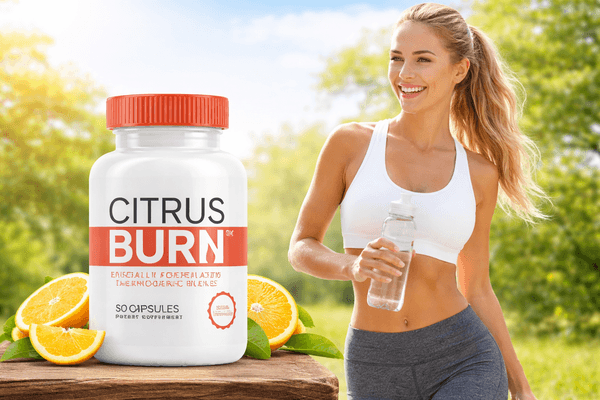
CitrusBurn can make sense as support for adults who want a more structured routine around appetite habits, daily energy steadiness, and metabolic consistency—alongside balanced nutrition, sleep, and movement. It’s positioned as a supplement, not a shortcut.
If the goal is “fast weight loss” by taking capsules without any routine changes, frustration is likely. Botanical ingredients can support a routine, but they don’t replace nutrition, professional guidance, and sustainable daily habits. This review avoids miracle claims on purpose.
People with chronic conditions, multiple medications, cardiovascular concerns, or stimulant sensitivity should treat CitrusBurn as secondary and talk with a healthcare professional first—especially because formulas in this category may include ingredients associated with thermogenesis and alertness (individual response varies).
3. How should this review be read?
TransparencyThis is an editorial-style analysis based on:
- publicly available information about CitrusBurn and how it’s positioned for daily use;
- general knowledge about the types of botanicals commonly listed in metabolism-oriented formulas;
- a personal routine-based narrative focused on realistic, non-miracle expectations.
CitrusBurn is a dietary supplement. It is not a medication, does not replace medical or nutritional advice, and is not intended to diagnose, treat, cure, or prevent disease. Individual experiences vary.
If you have a medical condition, cardiovascular history, high blood pressure, take medications, are pregnant, or nursing, decisions about supplements should be made with a qualified healthcare professional.
4. Who is the person behind this review?
Personal storyMy name is Carla Mendez. I’m 34 and I work as an administrative assistant.
After a few years of a more sedentary routine (home office, long hours sitting, and high stress), I gained about 18 pounds. Nothing extreme, but enough to feel uncomfortable in my clothes—and to notice my energy wasn’t as steady as it used to be.
- an ongoing urge to snack in the afternoon, especially sweets;
- low motivation to work out after a long day;
- a bloated feeling that felt more noticeable around the midsection;
- several “strict diet attempts” that I couldn’t maintain long-term.
That’s the context in which I decided to test CitrusBurn—not expecting “melt fat overnight,” but to see whether a supplement could help me stay more consistent with appetite habits, reduce random cravings, and feel a bit more stable in my routine.
Throughout this review, I’ll explain what felt realistic for me, what did not happen (no miracles), and what kind of profile CitrusBurn tends to make sense for—especially for people who want a routine-based, calm approach rather than extreme tactics.

5. What exactly is CitrusBurn?
Product positioningCitrusBurn is presented as a capsule-based dietary supplement positioned to support a day-to-day routine related to metabolism, appetite habits, and energy steadiness—within a broader context of balanced meals, sleep quality, and sustainable movement.
Instead of framing itself as a “quick fix,” CitrusBurn is commonly described as a routine-friendly option: simple to take, designed for consistency, and aimed at gradual support rather than instant sensations. That distinction matters because most real-world routines fail due to complexity—not because people “lack willpower.”
Core pillars of the approach
- a plant-based botanical blend commonly discussed in metabolism-oriented supplement categories;
- daily routine support (often framed around thermogenesis-style support and energy steadiness, depending on individual response);
- support for appetite habits and “snacking impulses” as part of a broader lifestyle strategy;
- simple capsule use—no powders, no mixing, no complicated protocol.
What it is NOT
- not a medication and does not replace medical or nutritional treatment;
- not a “rapid weight loss solution” and not a guarantee of specific outcomes;
- not a substitute for balanced meals, adequate sleep, and movement;
- not intended to diagnose, treat, cure, or prevent disease (dietary supplement positioning).
In practical terms, CitrusBurn is positioned as a routine ally—not as a standalone solution.
6. How can CitrusBurn support your body?
Support mechanisms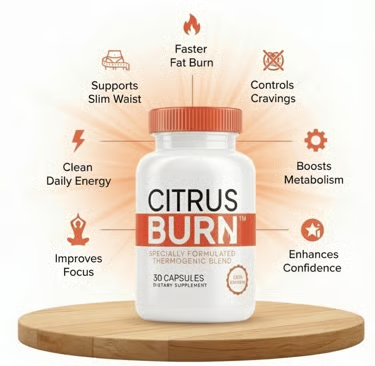
Most CitrusBurn materials describe the formula through a few complementary “routine pillars.” The safest way to interpret these is as support concepts—not guarantees:
- Metabolic routine support: botanicals often associated with thermogenesis-style support and day-to-day metabolic consistency—best viewed as supportive within a balanced routine rather than a shortcut.
- Appetite & habit support: a routine-friendly approach that may help some people feel more in control of cravings and “random snacking,” especially when paired with structured meals and hydration.
- Energy steadiness: ingredients that are commonly discussed in the context of alertness and daily vitality (individual sensitivity varies). The goal is not “wired energy,” but steadier routine follow-through.
- Consistency over intensity: the positioning is gradual—not “overnight results.” Many people evaluate supplements like this over weeks, because routine support tends to build (if it helps) with time.
Reminder: supplements are typically most useful as part of a bigger picture—balanced meals, sleep, stress management, and regular movement. Results vary from person to person.
7. What are the ingredients in CitrusBurn?
Formula
In general, CitrusBurn is presented as a blend of botanical extracts commonly seen in metabolism-oriented supplements. The exact label can change over time, so always confirm the most current list on the official bottle or page.
Bitter orange peel compounds (often discussed as p-synephrine) commonly appear in “metabolic support” formulas. Some people report it feels subtle; others are more sensitive. If you have cardiovascular concerns, high blood pressure, or sensitivity to stimulant-like effects, this is an ingredient to take seriously and discuss with a professional.
Apple vinegar is often used in wellness routines and typically framed around day-to-day habit support. Realistically, it’s not an “instant effect” ingredient—its value (if any) is usually discussed in the context of consistency, meal structure, and overall routine.
Red pepper is commonly included in formulas positioned around thermogenesis-style support. In real life, effects can be subtle and vary widely. It’s generally framed as complementary support—not a standalone driver.
Ginger is widely used in wellness formulas and often associated with digestive comfort and day-to-day balance. It typically fits well into a steady routine and is not usually described as creating dramatic sensations.
Green tea extracts are commonly discussed for their catechins and potential routine energy support. If you already consume significant caffeine, it’s smart to consider your total daily intake and how your body responds.
Berberine is often discussed in the context of metabolic balance, while red ginseng is traditionally used for vitality support. If you take medications or manage a condition, ask a professional about potential interactions before adding a supplement.
Important note: ingredients sometimes associated with stimulant-like effects (such as p-synephrine and/or higher total caffeine) require individualized judgment—especially with cardiovascular history, high blood pressure, anxiety sensitivity, or multiple medications. When in doubt, bring the label to your doctor or pharmacist for a quick safety check.
8. Who is CitrusBurn best for?
Fit & expectationsWho it may make sense for
- adults 18+ who want routine-based metabolic support (not a shortcut);
- people who feel frequent snacking impulses and want more daily structure;
- those willing to pair supplements with realistic lifestyle habits (meals, sleep, movement);
- anyone who prefers consistency-friendly support rather than extreme “reset” tactics.
Who I would NOT recommend it for
- anyone expecting fast, guaranteed changes without adjusting habits;
- people with cardiovascular conditions, high blood pressure, or multiple medications without professional guidance;
- pregnant or nursing individuals, or anyone under 18 (unless advised by a qualified professional);
- anyone looking for specific “pounds lost” promises—results vary and are not guaranteed.
9. What people who use CitrusBurn often report
Real-life perceptionThe testimonials below are written in a realistic, editorial style to match common user experiences with routine-based supplements. Results vary from person to person and are not guaranteed.

Amanda, 41
“I didn’t want anything extreme. My biggest issue was afternoon cravings and the feeling that my routine kept drifting. After a few weeks of consistent use, planning my meals more simply, and walking a few times per week, the cravings felt less urgent—and it was easier to stick to my routine without forcing it. Nothing overnight, just steadier.”

Jason, 52
“I’m skeptical by default. I didn’t feel a ‘miracle,’ but the daily routine felt easier to maintain—less snacking, fewer ‘all-or-nothing’ days. I kept expectations realistic and focused on consistency. Over time, that steady approach felt more sustainable than jumping from plan to plan.”
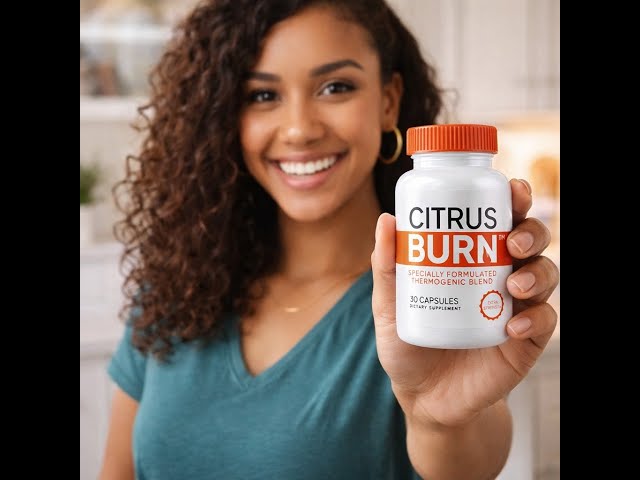
Patricia, 38
“My goal was less ‘energy chaos.’ I work long days and my routine used to swing between being strict and then falling off. With consistent use and better meal timing, I felt steadier and less impulsive. It wasn’t dramatic—just gradual support that helped me stay on track more often.”
10. Safety & possible effects (Read before you buy)
Safety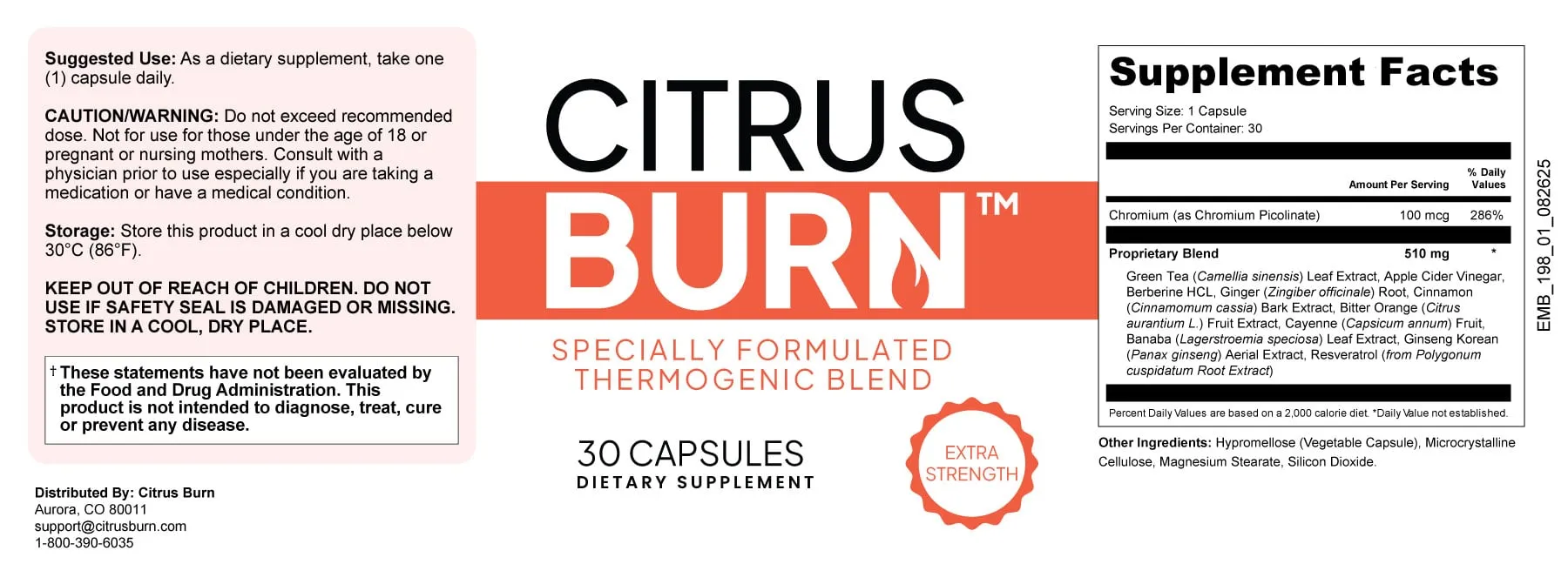
One of the biggest concerns with any supplement is whether it’s produced responsibly and whether it’s realistic for daily use. CitrusBurn is positioned as a dietary supplement designed for adults who want routine-based support—not a shortcut and not a medical treatment.
On the official materials, CitrusBurn is described as being manufactured in the USA in facilities that follow quality standards (commonly described in terms of GMP-style processes), with a focus on consistency and routine-friendly use rather than “extreme” stimulant-heavy sensations.
Possible effects vary. Most people who are sensitive to supplements pay attention to simple signals first: digestive comfort, sleep quality, and how their body reacts to routine ingredients like green tea or citrus-based compounds. If you are sensitive to stimulant-like effects, have cardiovascular concerns, high blood pressure, anxiety sensitivity, or take multiple medications, it’s smart to speak with a professional before adding any new supplement.
Reminder: CitrusBurn is not intended to diagnose, treat, cure, or prevent disease. Results vary from person to person.
11. Reported benefits (accumulated over time)
What users notice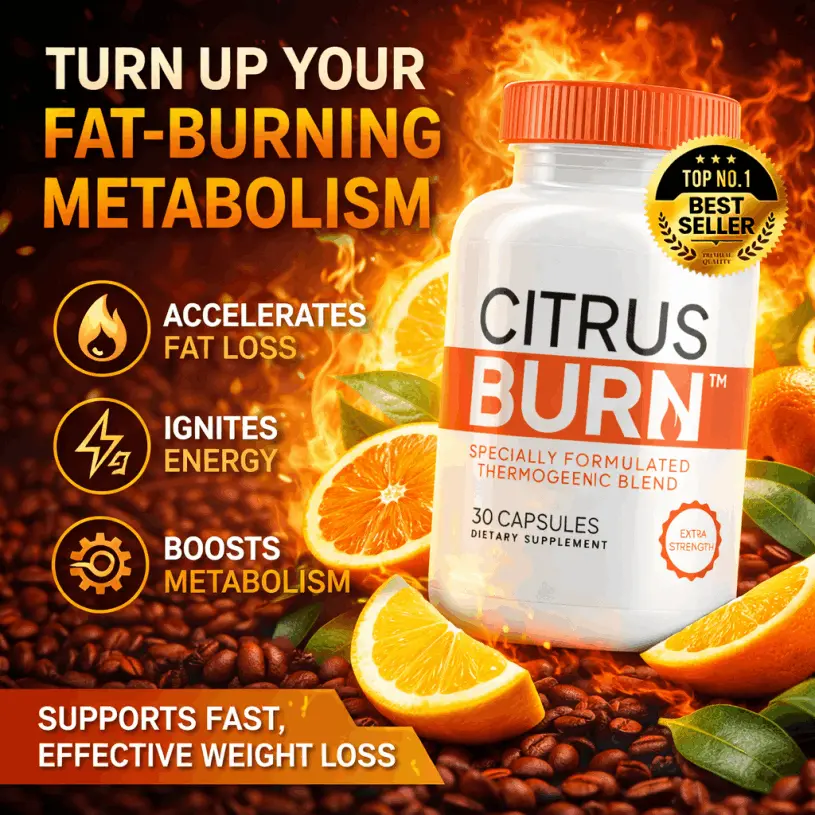
With routine-based supplements, the most consistent feedback usually isn’t “something dramatic happened overnight.” Instead, people describe small improvements that feel more noticeable as weeks pass—especially when they keep meals, hydration, and movement more structured.
- More routine control: feeling less “pulled” by random snacking or cravings.
- Steadier daily energy: fewer highs and lows that derail consistency.
- Comfort and lightness: some people describe feeling less bloated when routines improve.
- Confidence in the process: feeling like they can follow a plan without extreme tactics.
These are reported experiences over time, not guaranteed outcomes. Individual response varies.
12. Pros & cons — an honest overview
Balanced review
Pros
- routine-friendly format (capsules) with a consistency-first approach;
- positioned around gradual support, not “instant hacks”;
- ingredient profile commonly seen in metabolism-support categories;
- clearer expectations when treated as a supplement (not a miracle).
Cons
- results can be subtle and require weeks of consistent use;
- not a fit for people expecting guaranteed, fast changes without lifestyle structure;
- sensitive individuals may need extra caution with stimulant-adjacent ingredients;
- often sold through official checkout channels only (which can be inconvenient for some).
The most important takeaway: CitrusBurn makes the most sense when used as support inside a realistic routine.
13. Scam alert — how to avoid counterfeits
Buy safely
When a product becomes popular, it’s common to see look-alike listings and misleading ads with unrealistic discounts. The safest approach is simple: buy only through the official website so you know the product is authentic and you have access to official customer support and the official refund policy.
A quick rule: if you see an offer that looks “too cheap to be real,” or a listing that doesn’t clearly match the official branding and checkout flow, treat it as a red flag.
14. Prices & bundle options (no pressure)
BundlesCitrusBurn is typically offered in bundle options (for example, smaller vs. larger supplies). The logic is straightforward: the larger the bundle, the better the cost-per-bottle tends to be, which is helpful for people who want to evaluate a routine supplement over several weeks.
Many buyers choose a mid-size or larger bundle when they want enough time to judge whether the routine feels right. If you prefer to start conservatively, a smaller bundle can still make sense—especially if you’re testing sensitivity.
Tip: always confirm current shipping and bundle inclusions during official checkout, as policies can change.
15. Guarantee — how the refund policy reduces risk
Risk reduction
One reason many people feel more comfortable trying a supplement is a clear refund policy. CitrusBurn is presented with a 180-day money-back guarantee through the official purchase channel, which gives you time to evaluate it inside a real routine instead of judging it after a few days.
Always read the current guarantee terms on the official checkout page to confirm the exact conditions.
16. FAQ — common questions (clear & realistic)
AnswersIs CitrusBurn a medication?
How long until I notice anything?
Is CitrusBurn safe for everyone?
How do I take CitrusBurn?
Can I buy CitrusBurn on Amazon or marketplaces?
Is it a subscription?
17. Final conclusion — does CitrusBurn make sense in 2026?
Wrap-up
The decision becomes simpler when expectations are honest: if you want a supplement that fits into a routine and you’re willing to give it time, CitrusBurn can make sense. If you want guaranteed, fast changes without any lifestyle structure, it’s likely to disappoint.